Russia to Invest $573 Million in Railway Ferries for Kaliningrad
The Russian government has allocated significant funds for the construction of two railway ferries to ensure autonomous connection with the Kaliningrad exclave amid potential blockade threats.
 🧠AI Analysis
Photo: Ukrainska Pravda
Key points
- Allocation of $573 million for two railway ferries.
- Funding sourced from the National Wealth Fund.
- Route connecting Baltiysk and Ust-Luga ports.
The Russian Federation is launching a large-scale infrastructure project to strengthen logistics links with its exclave, the Kaliningrad region. Prime Minister Mikhail Mishustin has officially announced the allocation of significant budget funds for the construction of two new railway ferries. This move is a direct response to the complications of land transit through European Union countries, specifically Lithuania and Poland, which border the region. Russian authorities view these measures as critical to preventing a total transport blockade of the territory.
The project is expected to cost nearly 47 billion rubles, equivalent to over $573 million. Funding will be provided by the National Wealth Fund (NWF), highlighting the strategic importance of this task for the Kremlin. According to Russian officials, such expenditures have become necessary due to the disruption of traditional logistics chains and restrictions imposed by neighboring states, which have hindered the operations of local enterprises.
Technical Aspects and Strategic Routes
The new vessels will be built according to Russian designs at domestic shipyards. This decision aims to reduce dependence on foreign technologies and services in the Baltic region. Once completed, the ferries are scheduled to operate on the maritime line between the ports of Baltiysk in the Kaliningrad region and Ust-Luga in the Leningrad region. This route is intended to become the primary channel for the uninterrupted supply of raw materials and essential goods.
Mishustin emphasized that Kaliningrad's unique geographic position creates specific risks for the regional economy. The Russian side hopes that commissioning these new assets will minimize the impact of any restrictions on rail transit passing through NATO member territories. The inclusion of these ferries in the list of priority infrastructure projects signals Moscow's intent to prepare for a prolonged period of tension with the West.
These new transport units are expected not only to increase the capacity of maritime communications but also to bolster the overall security architecture of the exclave. The project is designed for a multi-year implementation, during which Russia seeks to fully reorient its freight flows to sea routes, avoiding reliance on land corridors through European nations.
"The Kaliningrad region has a special geographical position, and because of this, the illegal actions of some countries... complicate the work of enterprises," the Russian Prime Minister concluded.
Source Ukrainska Pravda — pravda.com.ua/news/2026/11/23/8064171/ ↗
Read next
 👥Society
What to give for the holidays: 10 ideas for those who value intellectual and practical gifts
A selection of non-standard gifts combining science, technology, and hobbies for those tired of ordinary souvenirs.
 🛡️Security
Kremlin Statements on Refinery Attacks: Implications for Russia's Energy Sector
Vladimir Putin has threatened retaliation for strikes on Russian oil refineries, despite calls from the US to exercise restraint.
 👥Society
Why LEGO minifigure heads have a hole: a hidden safety feature
The small hole on the top of LEGO minifigure heads serves not only for accessories but also as a crucial safety feature for children.
 🎭Culture & Sport
Alyona Alyona shares weight loss results after gastric surgery
The Ukrainian rapper discusses her recovery journey and the shift in her dietary habits following a surgical procedure.
 💼Economy
Legal battle over Kyiv Radio Plant energy grids: forgery allegations emerge
The Commercial Cassation Court continues to hear a dispute between Energik and Vardings regarding the ownership of energy infrastructure.
 🛡️Security
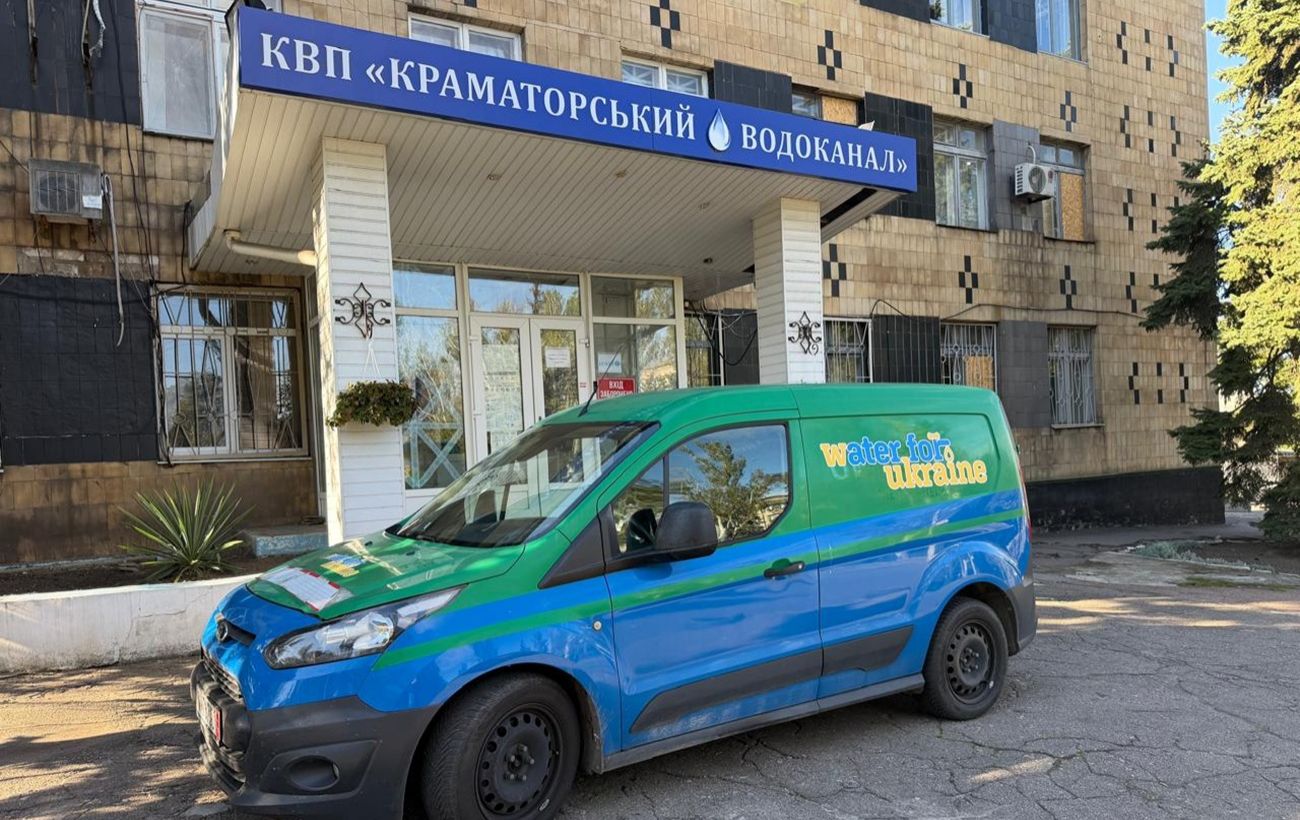
Personnel Crisis for Frontline Utilities: Kramatorsk Water Utility Loses Hundreds of Workers Amid Shelling
Due to constant threats to life and enemy attacks, the Kramatorsk water utility has lost nearly two hundred employees over three months as staff mass-resign and flee.