Metallurgy Crisis Threatens Ukrainian Municipal Budgets and Triggers Job Losses
Production cuts in Ukraine's mining and metals sector are causing tax revenue shortages, impacting local budgets, supply chains, and employment.
 🧠AI Analysis
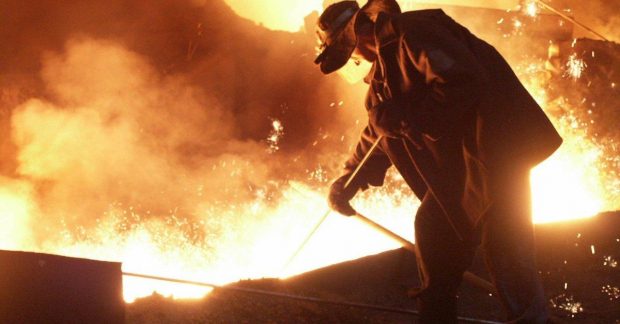
Photo: UNIAN
Key points
- The metallurgical crisis stems from wartime destruction, logistics constraints, and power deficits.
- Declining tax revenues force industrial cities to implement budget cuts.
- Troubles in the metals sector trigger a chain reaction affecting supply chains and small businesses.
The ongoing crisis in Ukraine's steel industry is transcending individual corporate challenges, turning into a systemic threat to both national and local public finances. Continuous Russian shelling, the blockade of Black Sea ports, expensive logistics, European Union market restrictions, and severe electricity shortages are severely hampering the ability of steelmakers to produce and export goods.
A Cascading Effect Across Related Sectors
The downturn in the metals industry inevitably triggers a cascading effect throughout the economy. Lower steel production translates into fewer orders for the energy sector, railways, machinery manufacturing, and logistics providers. Analysts note that while the sector accounted for a substantial share of GDP and foreign exchange earnings, leading metallurgical plants are reporting sharp drops in tax contributions and profits.
«We have reached a critical point. Steelmakers are losing the ability to produce and export steel, and the country risks losing jobs and billions of hryvnias in taxes», — emphasizes Metinvest CEO Yuriy Ryzhenkov.
Industrial regions and cities feel this pinch most acutely, as personal income taxes and land levies from large enterprises form the backbone of local revenues. Declining financial inflows force municipal authorities to cut budgets, freeze development projects, and scale down funding for roads, utilities, schools, and hospitals.
Broader Implications for Communities and the Economy
Job losses and shrinking incomes among industrial workers automatically suppress domestic consumption, dragging down retail revenues, small businesses, and the service sector, which in turn sparks a secondary wave of declining municipal tax revenues.
- Lower corporate income tax and VAT collections at the national level.
- Budget sequestration measures implemented by industrial municipalities.
- Increased difficulties in co-financing international grant and recovery projects.
Experts stress that unblocking ports, reducing logistics costs, and ensuring stable energy supplies are critical steps not merely to support individual companies, but to preserve the fiscal foundation of the state and local communities.
Source UNIAN — unian.ua/society/kaskadniy-efekt-padinnya-virobnictva-u-metalurgiji… ↗
Read next
 👥Society
What to give for the holidays: 10 ideas for those who value intellectual and practical gifts
A selection of non-standard gifts combining science, technology, and hobbies for those tired of ordinary souvenirs.
 🛡️Security
Kremlin Statements on Refinery Attacks: Implications for Russia's Energy Sector
Vladimir Putin has threatened retaliation for strikes on Russian oil refineries, despite calls from the US to exercise restraint.
 👥Society
Why LEGO minifigure heads have a hole: a hidden safety feature
The small hole on the top of LEGO minifigure heads serves not only for accessories but also as a crucial safety feature for children.
 🎭Culture & Sport
Alyona Alyona shares weight loss results after gastric surgery
The Ukrainian rapper discusses her recovery journey and the shift in her dietary habits following a surgical procedure.
 💼Economy
Legal battle over Kyiv Radio Plant energy grids: forgery allegations emerge
The Commercial Cassation Court continues to hear a dispute between Energik and Vardings regarding the ownership of energy infrastructure.
 🛡️Security
Personnel Crisis for Frontline Utilities: Kramatorsk Water Utility Loses Hundreds of Workers Amid Shelling
Due to constant threats to life and enemy attacks, the Kramatorsk water utility has lost nearly two hundred employees over three months as staff mass-resign and flee.